
A Fine Balance
Use the single-leg stance test to check your balance and help build stability.
By Morgan Halaska
How long can you stand on one leg? It might seem like a simple question, but testing your stability can tell you a lot about your muscles and balance. Over time, muscles lose strength and mass. This can make it harder to stay steady and increases the risk of falling.
A study published by PLOS One, a scientific research organization, found the single-leg stance test is one of the easiest and most reliable ways to check for changes in balance. The best part? You don’t need any special equipment to do it. Here’s how:
- Stand upright with your feet together
- Make sure you have something sturdy nearby — a chair or counter — for support if needed
- Lift one foot off the ground; don’t let your legs touch each other
- Use a clock or timer to see how long you can balance on one foot
- Write down your time
- Repeat the test on your other leg
The longer you can stand, the better your balance. If you can balance for 30 seconds or more, that is a great sign, according to Everyday Health. If you can’t make it past 5 seconds, it might be a sign to work on your balance. You may want to talk to your primary care provider (PCP) for advice.
Do this test regularly, and keep a log of your results to track progress. It can be an easy way to see how your balance improves over time — and it can help you stay steady on your feet.
How to improve balance with exercise
Exercise is one way to improve balance and reduce the risk of falls, especially if you’ve fallen before. Doing balance exercises at least 3 days a week can make a big difference. Try these simple exercises:
Heel-to-toe walk
Walk in a straight line, placing the heel of one foot directly in front of the toes of the other foot. Use a secure support — such as a railing, cane or walker — if needed.

Sit-to-stand
Sit in a sturdy chair, and stand up slowly without using your hands. Then sit back down.
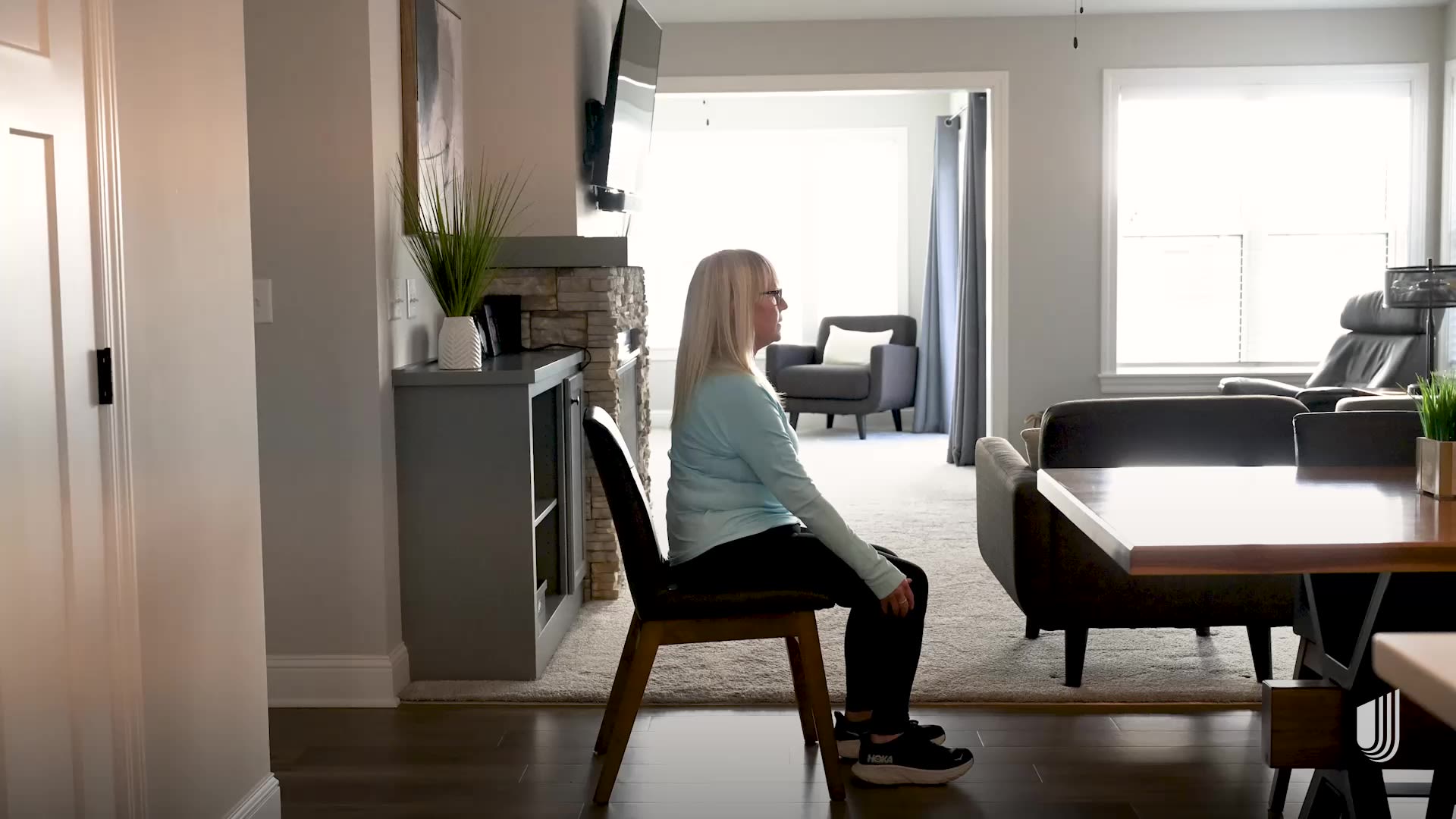
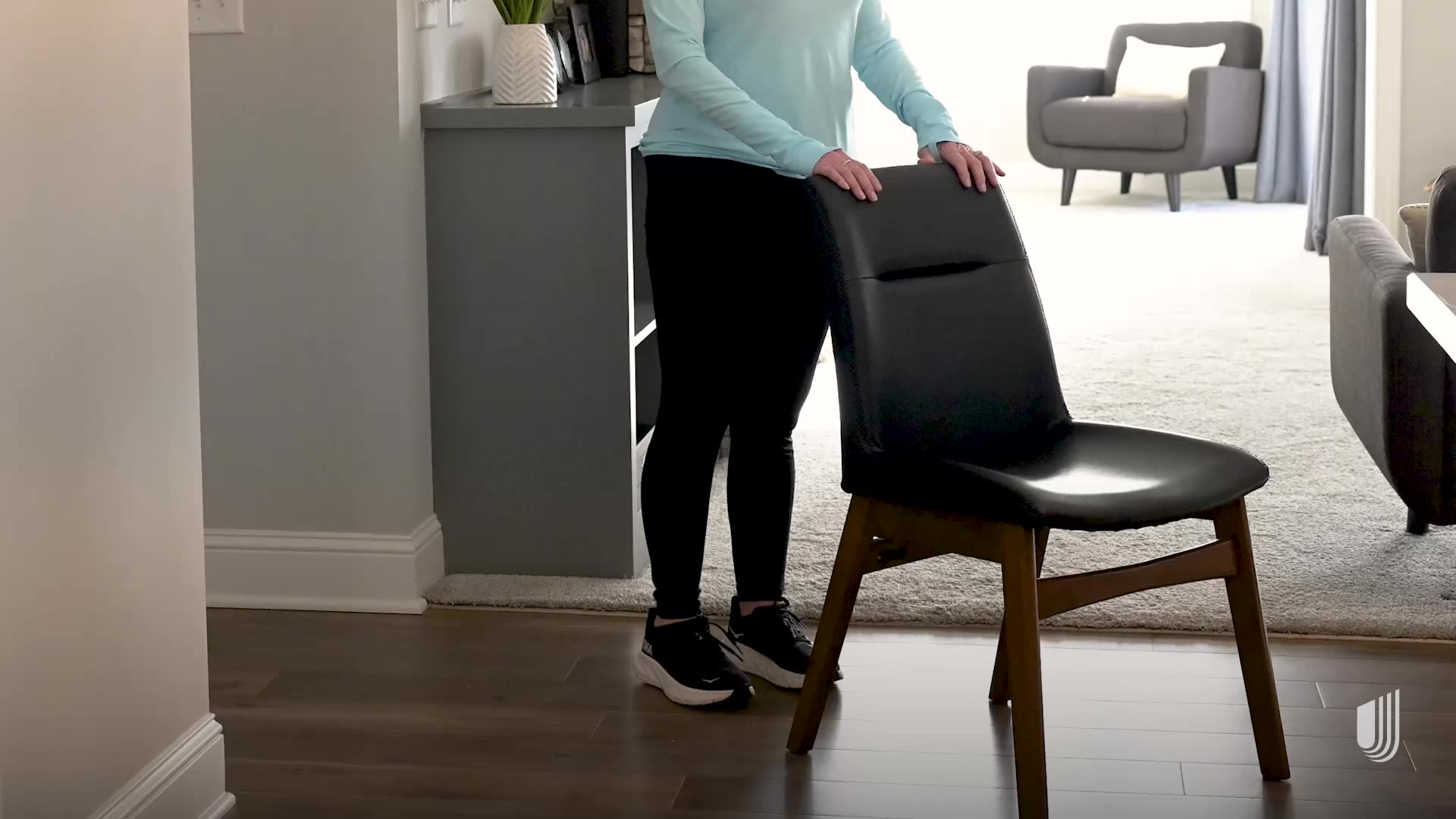
Side leg lifts
Stand behind a chair, and hold onto it for support. Lift one leg out to the side, keeping it straight, and then slowly lower it.
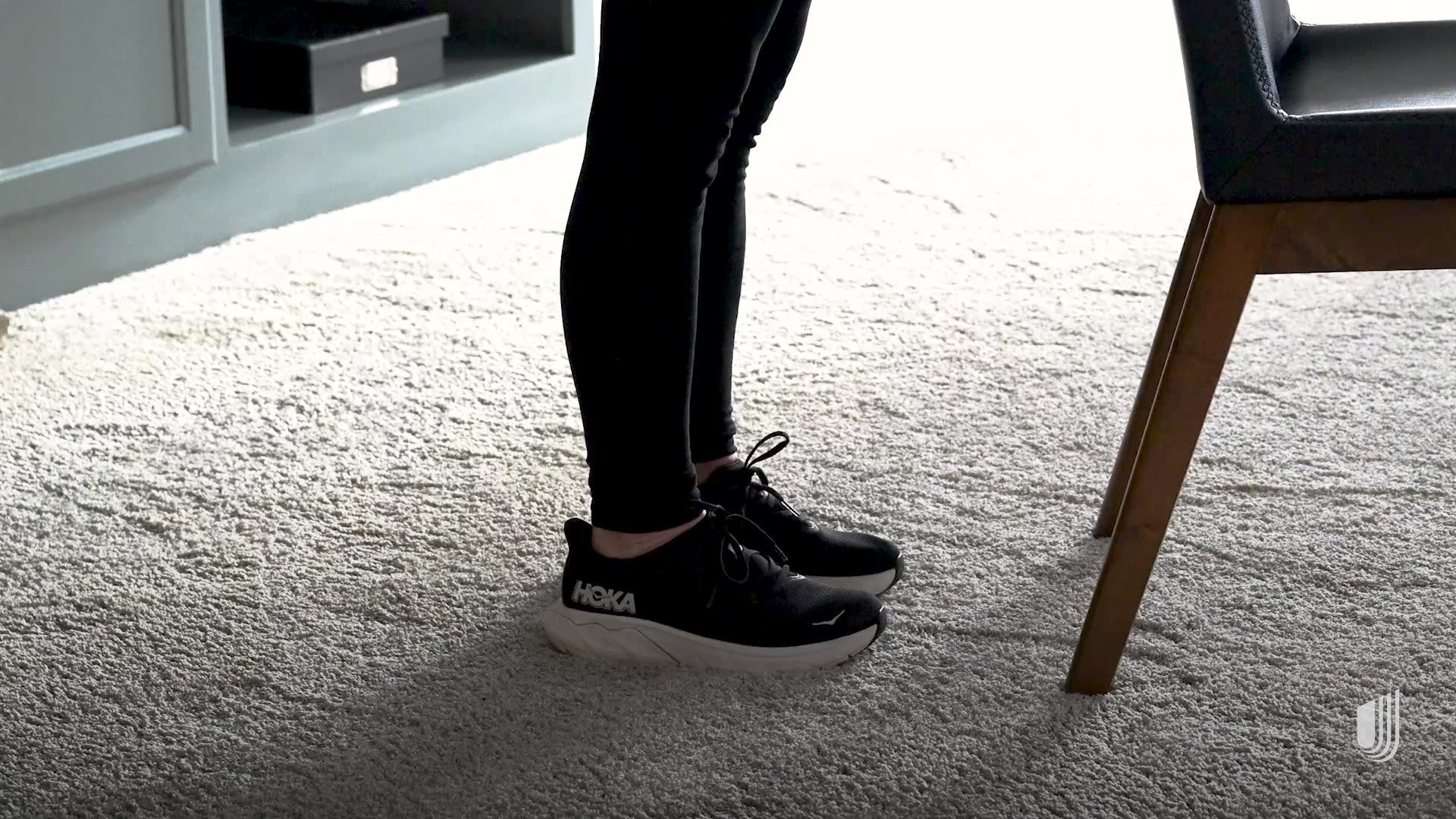
Toe and heel raises
Stand behind a chair for support. Rise up on your toes, hold for a few seconds and then lower back down. Next, lift your toes off the ground while keeping your heels on the floor.
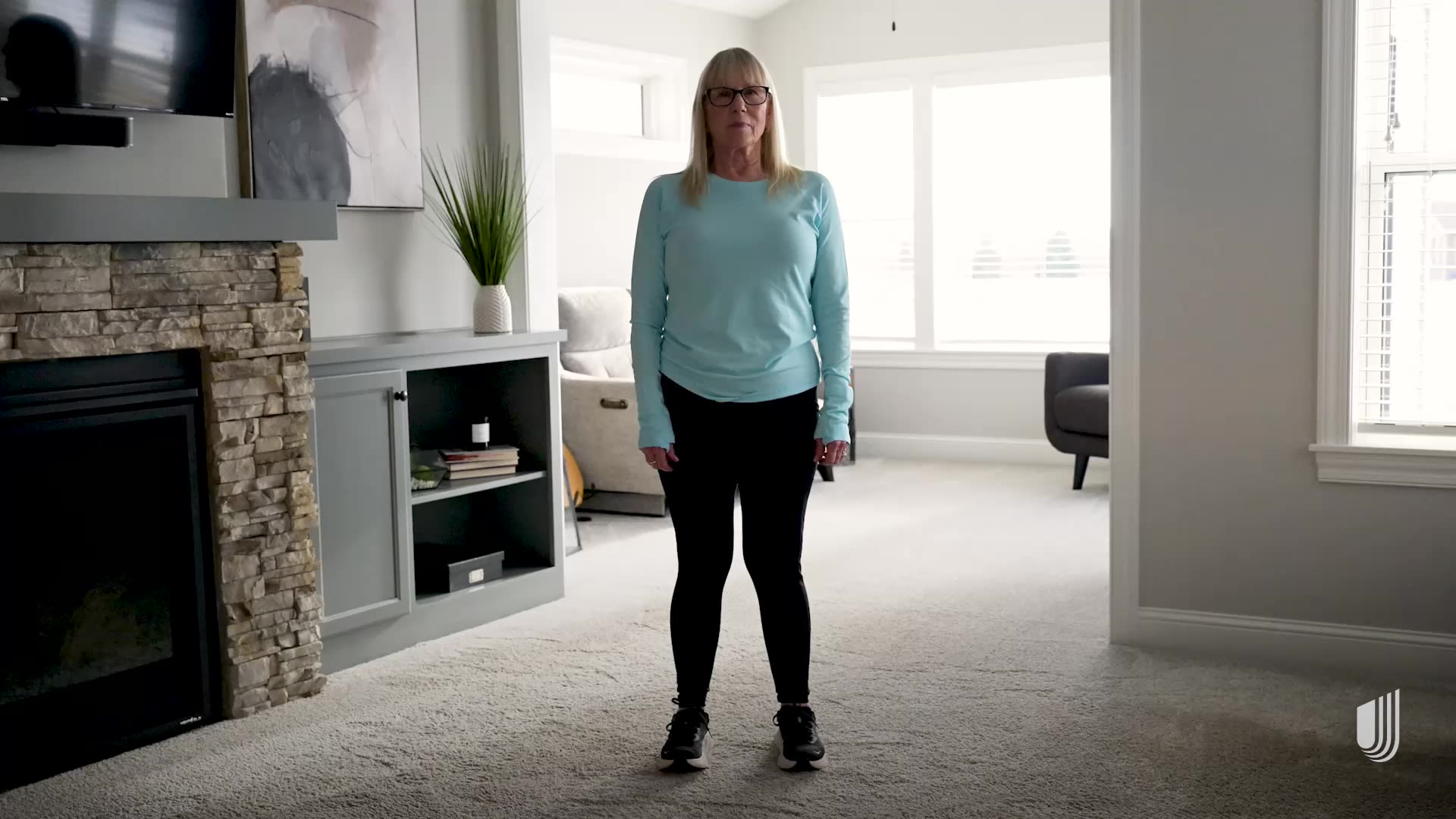
Weight shifts
Stand with your feet hip-width distance apart. Shift your weight to one foot, lifting the opposite foot slightly off the ground. Hold for a few seconds, and then switch sides.
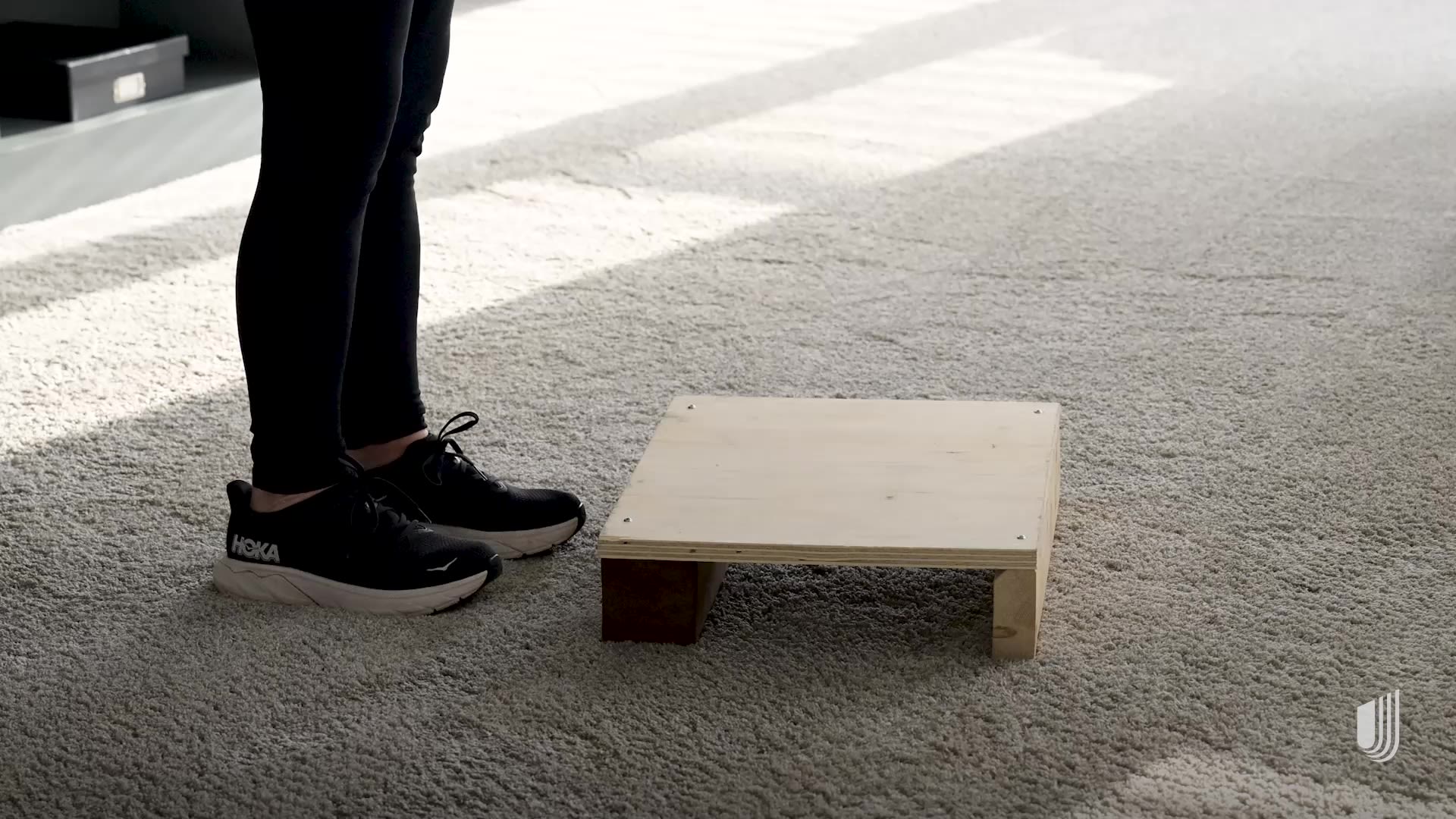
Step-ups
Step up onto a sturdy platform or step with one foot, and then bring the other foot up. Step back down with one foot followed by the other, and then switch sides.
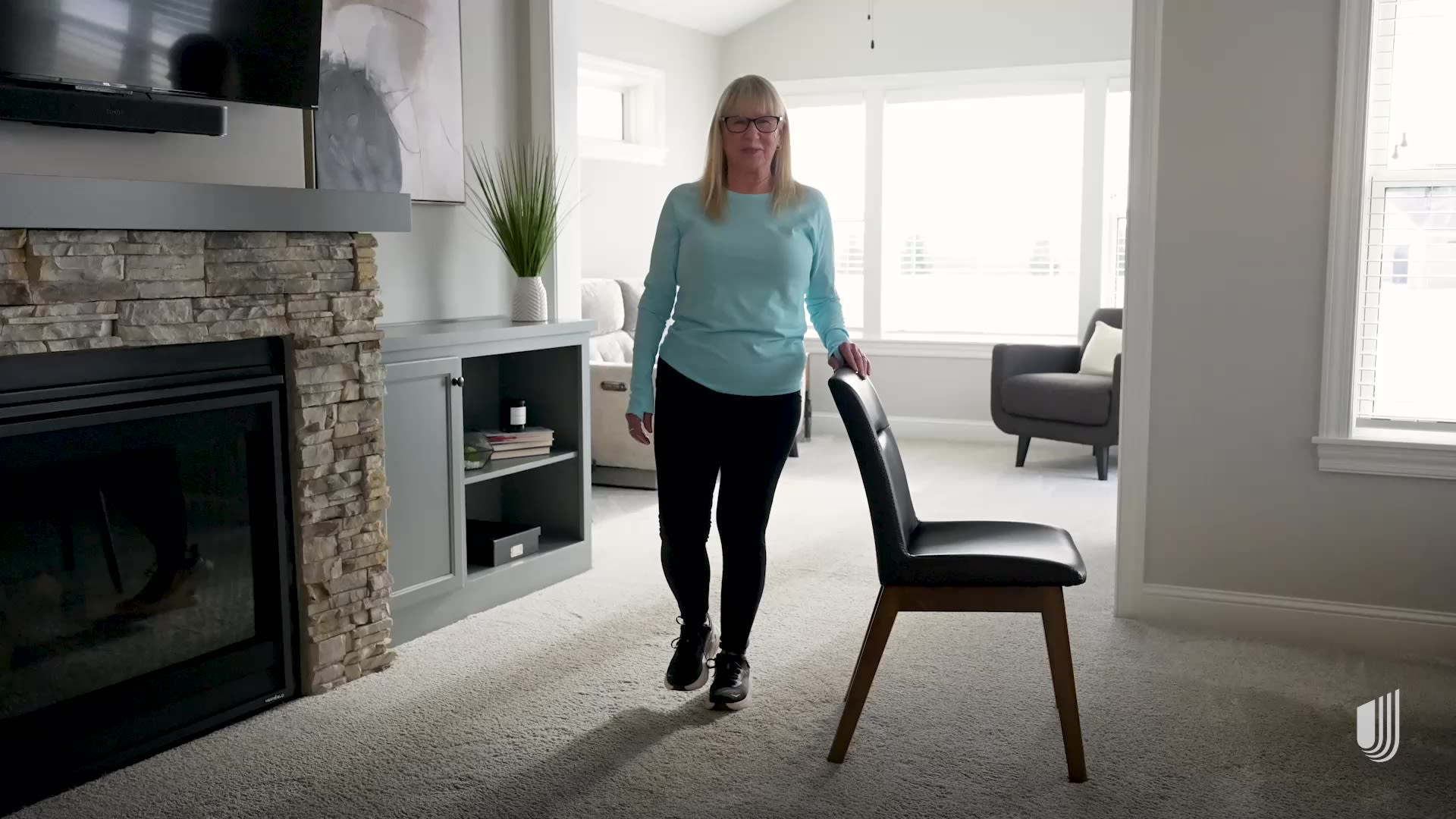
Single-leg stance
Stand on one leg while holding onto a chair or counter for support. Gradually reduce support, and try to hold the position for 30 seconds on each leg.
By adding regular balance exercises to your routine, you can strengthen your muscles, improve your stability and reduce your risk of falls. It’s never too late to start working on your balance. Small consistent efforts can lead to big improvements over time.
What to know about balance disorders
Balance disorders are common among older adults. Symptoms can range from lightheadedness and blurred vision to dizziness and vertigo (a spinning sensation). Disorders can result from inner ear problems, which affect the part of the ear responsible for balance. Other causes include certain medications, alcohol consumption and medical conditions such as diabetes, heart disease and stroke.
Some balance issues can be managed with exercise or lifestyle changes, but others may need medical treatment or therapy. If you have ongoing balance problems, talk to your PCP. They can help identify the cause and recommend treatment options.
Take note
Let’s Move by UnitedHealthcare® is here to help keep your mind, body and social life active — at no additional cost. With simple resources, tools, fun events and personalized support, the program helps you explore ways to eat well, stay connected, and be physically and mentally fit.
Find content on topics such as:
Yoga
Move & Flow virtual dance
Meditation
Nutrition
Cooking
To learn more about Let’s Move, sign in to your member site.
Consult your provider prior to beginning an exercise program or making changes to your lifestyle or health care routine.
< Previous story__ |__ Next story >
This publication is for informational purposes only and does not replace the care or advice of a doctor. Always talk with a doctor before beginning any exercise program, therapy or medication. Plans are insured through UnitedHealthcare Insurance Company or one of its affiliated companies, a Medicare Advantage organization with a Medicare contract. Enrollment in the plan depends on the plan’s contract renewal with Medicare. This information is not a complete description of benefits. Contact the plan for more information. Limitations, copayments and restrictions may apply. Benefits, premium and/or copayments/coinsurance may change on January 1 of each year. UnitedHealthcare does not provide any assurances nor accept any responsibility or liability regarding the quality, nutritional value, or safety of the included recipes.
©2026 United HealthCare Services, Inc. All rights reserved.
Y0066_ P2942780_031826_C